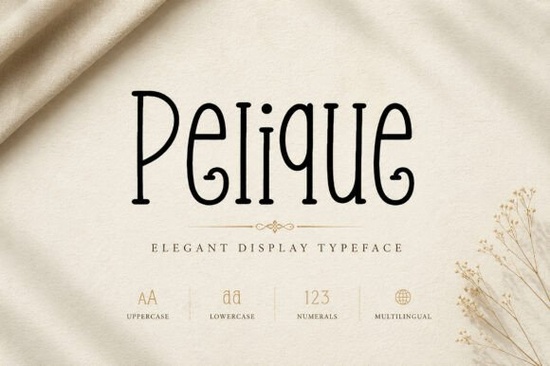
If you're looking for a display font that feels both refined and quietly expressive something that works as well on a perfume bottle as it does in an Instagram story headline you’ll likely find Pelique Font fits naturally into your workflow. It’s not overly ornate, but it carries presence: tall letterforms, soft organic curves, and balanced proportions that suggest luxury without shouting. Designers working on boutique branding, editorial layouts, or small-batch packaging often reach for Pelique when they need visual distinction without sacrificing readability.
When does Pelique work best?
Pelique shines where tone and texture matter more than neutrality. Think of it as the kind of typeface you’d choose for a slow-fashion label, a hand-poured candle line, or a quarterly print magazine focused on lifestyle and craft. It’s especially effective at small-to-medium sizes in headings magazine covers, social media templates, wedding invitation suites and holds up beautifully in print thanks to its clear letter spacing and thoughtful weight distribution.
Because it includes stylistic alternates and ligatures, you can fine-tune how playful or polished it feels. A lowercase “a” or “g” might shift from classic to subtly whimsical depending on which alternate you pick. That flexibility helps avoid repetition across multiple designs say, a series of quote graphics or product labels without needing to switch fonts.
What’s included and how easy is it to use?
The Pelique Font package gives you uppercase and lowercase letters, numerals, punctuation, and full language support via PUA encoding (so special characters show up correctly in design apps like Adobe Illustrator or Canva). Installation is straightforward: unzip, double-click the OTF file, and install no extra software needed. Most users report it working right away in both desktop and web-based tools.
It’s also designed with practical use in mind not just aesthetics. For example, the generous x-height and open counters make it surprisingly legible even at smaller display sizes, like on a 4×6 product tag or a mobile banner. And because it’s a single-weight display font (not a full family), it avoids visual clutter in tight layouts while still offering enough character to stand out.
How does it compare to other display fonts on Creative Fabrica?
If you’ve used Orange Crayon Font, you’ll notice Pelique trades hand-drawn energy for quiet confidence. It’s less sketchy, more composed ideal when your brand voice leans toward calm sophistication rather than cheerful informality. Similarly, Rancher Capital Font delivers strong western or artisanal vibes, while Pelique leans feminine, editorial, and timeless.
Compared to Aristoreva Font, Pelique feels lighter and airier less condensed, more vertical. And unlike Simple Lover Font, which leans romantic and script-adjacent, Pelique stays firmly rooted in clean, structured letterforms even with its curves.
For context, you can see how designers are using it by browsing real examples on Pelique Font’s Creative Fabrica page, where users share mockups ranging from boutique business cards to digital newsletter headers.
Who’s actually using Pelique right now?
We’ve seen small-batch soap makers use it for ingredient labels, Etsy sellers apply it to printable wall art quotes, and indie magazine editors pair it with serif body text for cover typography. Print-on-demand creators appreciate that it scales cleanly across mugs, tote bags, and phone cases especially when paired with minimalist layouts.
It’s also popular among wedding stationery designers who want something elegant but not traditional think foil-stamped menus or digital RSVP cards where personality matters. Because Pelique avoids cliché script tropes, it reads as modern and intentional, not generic.
A quick checklist before you download
- ✅ You need a display font not for body text, but for headlines, logos, or short impactful phrases
- ✅ Your project leans toward luxury, beauty, fashion, or lifestyle branding
- ✅ You’re comfortable installing OTF fonts and using alternates/ligatures in your design app
- ✅ You want subtle variation (not dramatic contrast) between letters organic, not rigid
- ❌ You need multilingual support beyond Western European languages (check the specimen PDF first)
If those match your needs, Pelique is worth trying alongside your current go-to display fonts. It’s one of those quiet performers unflashy, but consistently effective across formats and audiences.
Download Now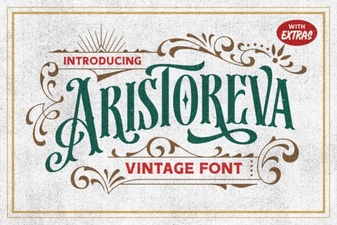 Introducing Aristoreva: a Font for Modern Design Projects
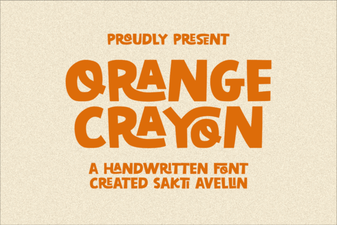 Orange Crayon Font for Bold & Creative Designs
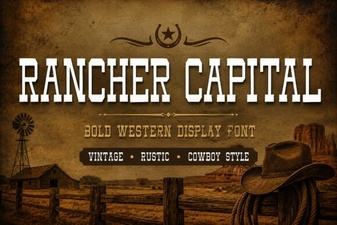 Rancher Capital Font: Bold Western Design Style
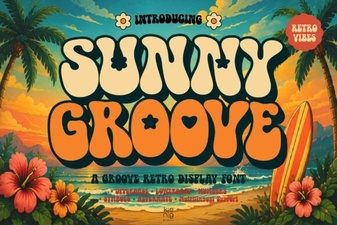 Sunny Groove Font Design Ideas & Applications
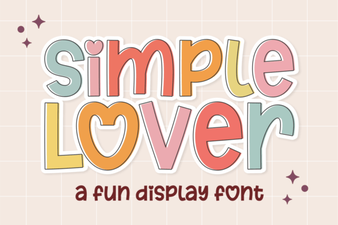 Simple Lover Font for Beautiful Handwritten Designs
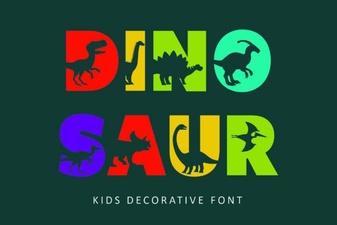 Creative Projects with Dinosaur Fonts